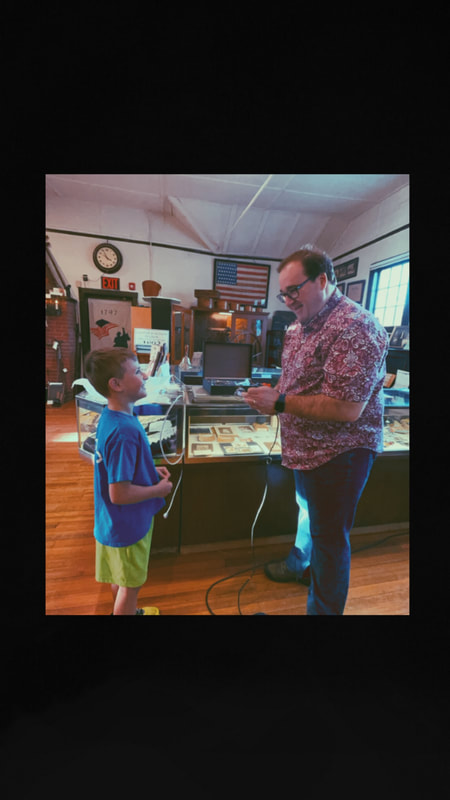
The Society held a rare presentation that featured the firearms and swords from our collection. George Wilson shared information about our revolutionary muskets and rifles. We also learned about our significant swords and other military curiosities. The Society has been collecting itesm since 1871, and the firearms collection will soon undergo a preservation plan that will help restore and preserve these unique and valuable items.
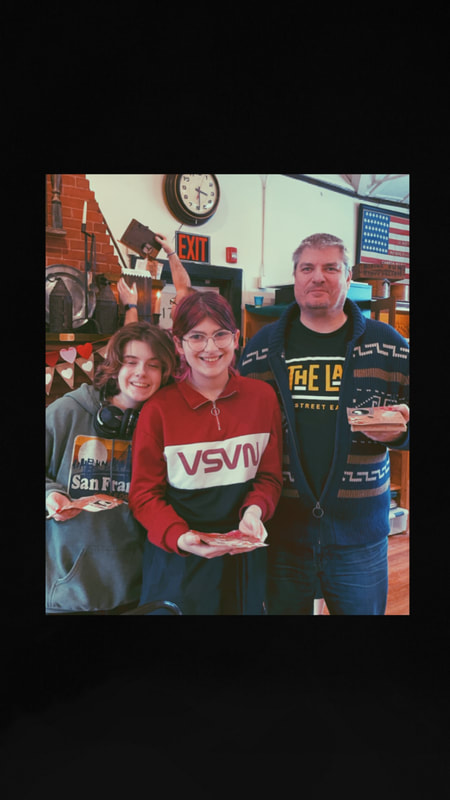
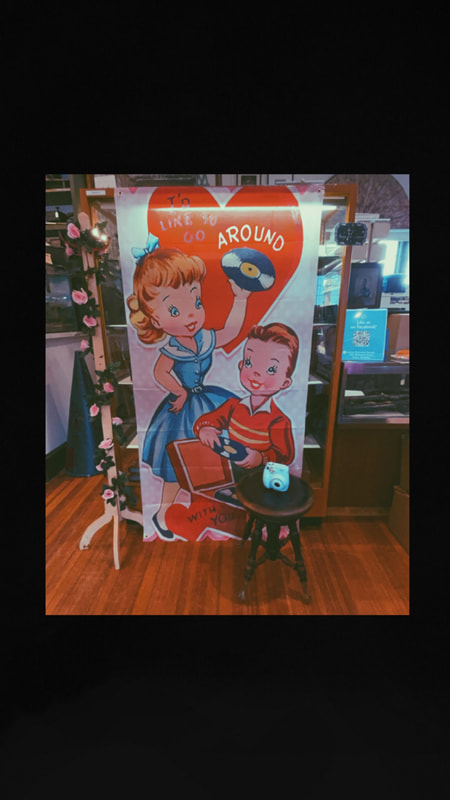
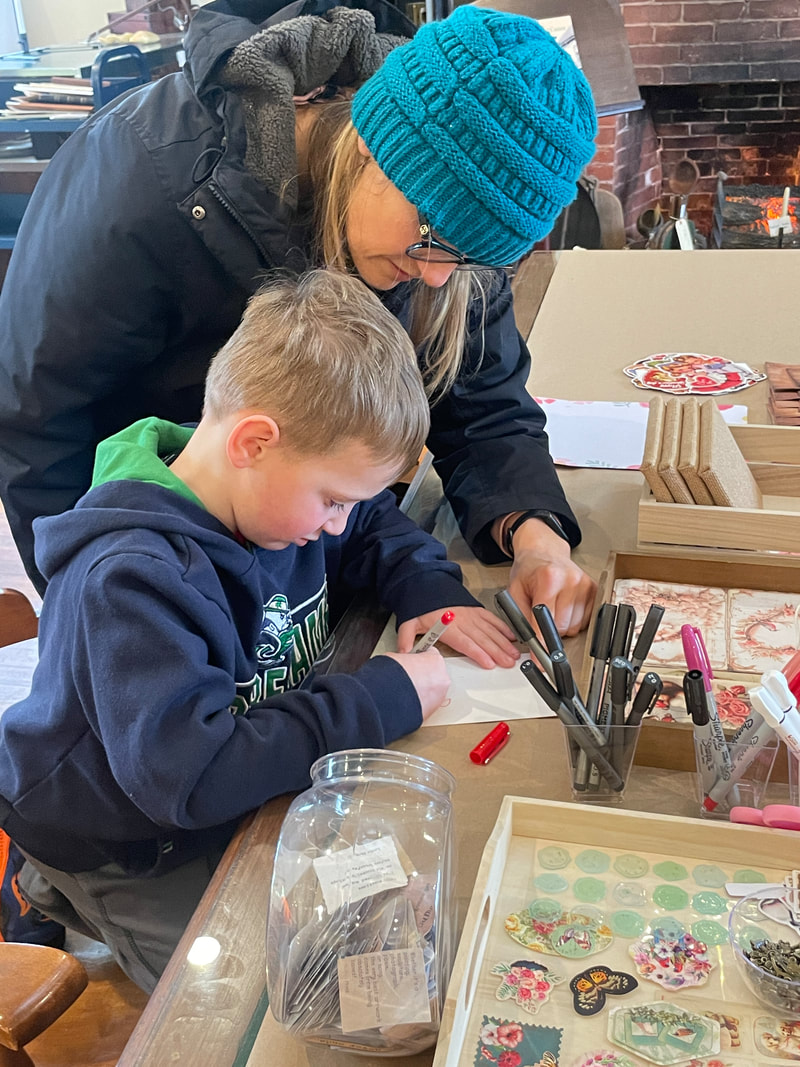
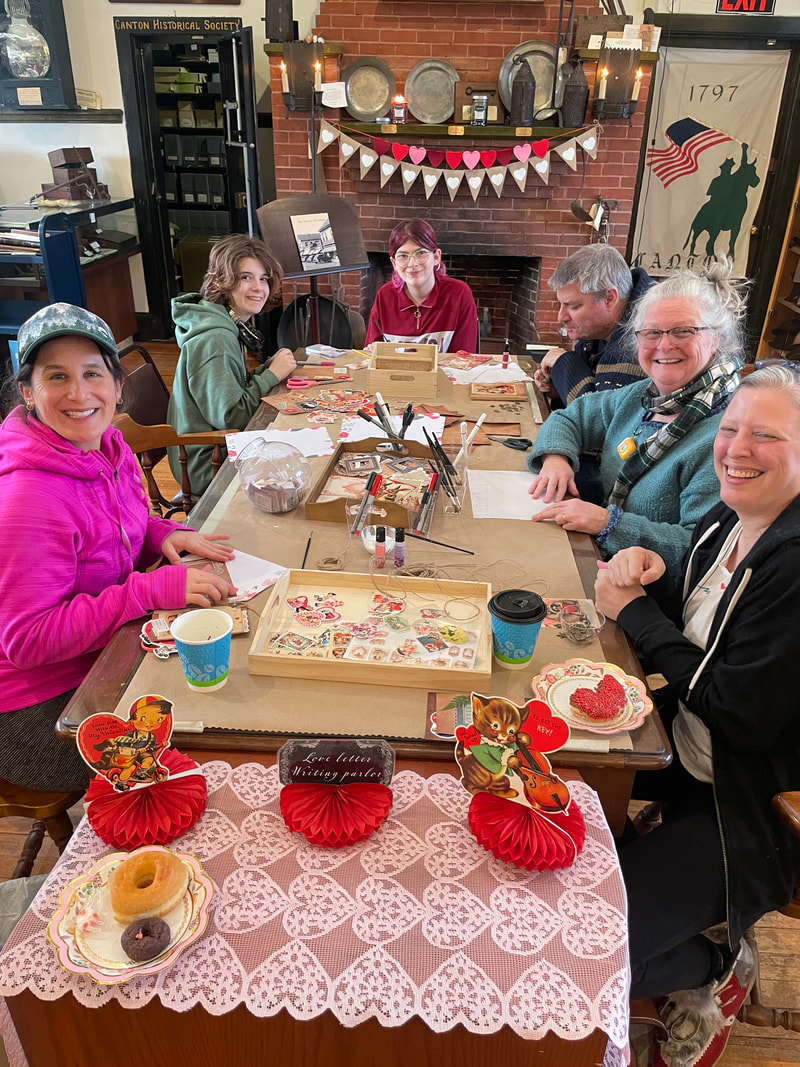
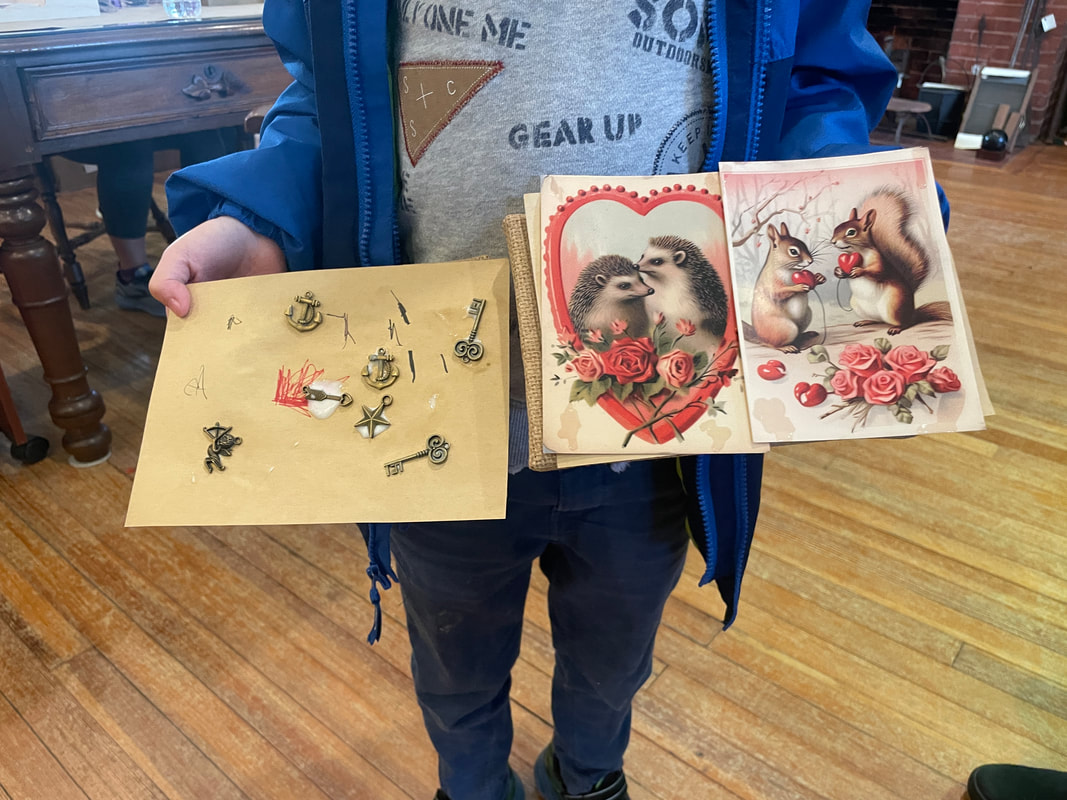
 This recent Sunday, affection filled the atmosphere at the Canton Historical Society’s enchanting “Vintage Valentines & Love Letters” affair. We united to commemorate LOVE - witnessing familiar faces and forging new friendships was truly heartening. The enchanting tunes of classic love ballads by legendary artists such as Etta James and Billie Holiday provided the perfect ambiance. Our taste buds were delighted with scrumptious, freshly baked donuts from Country Kitchen in Walpole, courtesy of George and Patti. Individuals of all ages from the community joined in and crafted beautiful expressions of affection. We exchanged tales, discovered each other’s passions, shared laughter, and, as always, delved into the rich historical archives of Canton. In addition to our vintage-inspired tokens of love, we had the privilege of showcasing 19th-century valentines graciously loaned to us by The Bright family, alongside two exquisite Draper portraits generously donated to the Society by Kristen Draper. The new portraits will become part of an ever burgeoning collection dedicated to the Draper Family in Canton. As the day came to a close, it was evident that love transcends all boundaries in Canton. We extend our gratitude to everyone who participated, and eagerly anticipate many more opportunities to gather as a community, united by love from Canton. 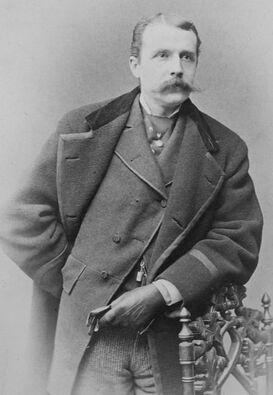 D.T.V. Huntoon D.T.V. Huntoon The Canton Historical Society in partnership with the Canton Public Library is pleased to announce the launch of the Huntoon Digital Catalog. Drawing together the work of more than ten years of cataloging thousands of items in the Society collection, Huntoon is emerging as an unparalleled resource for Canton’s history.
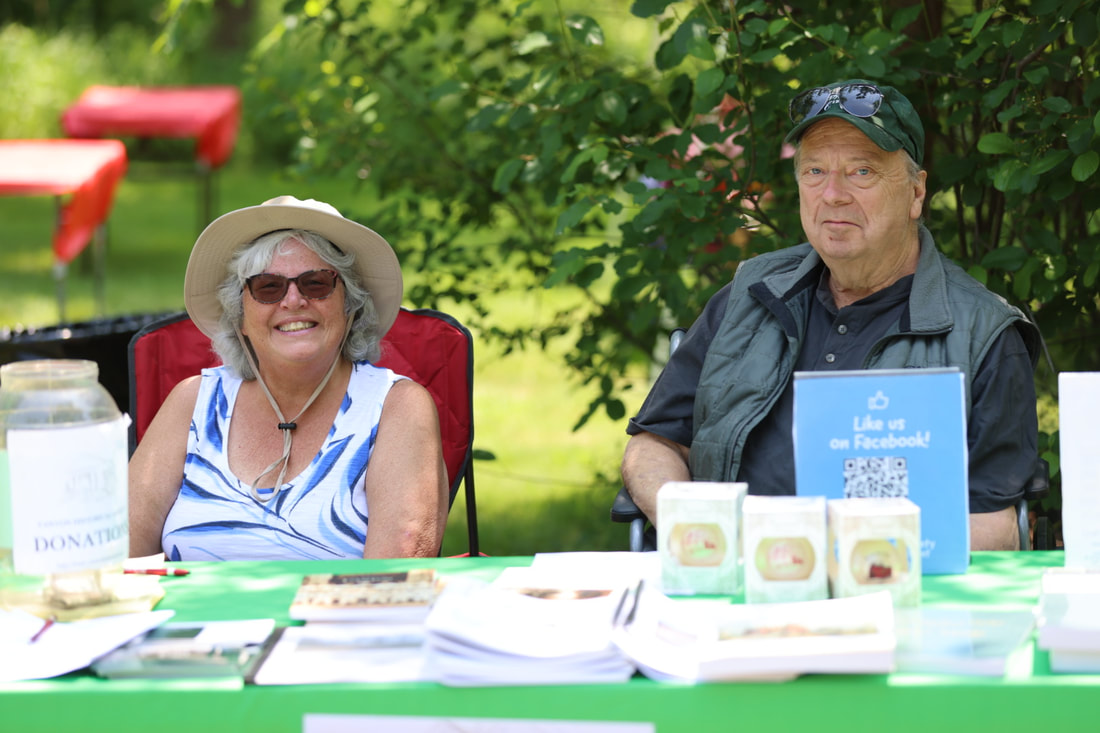
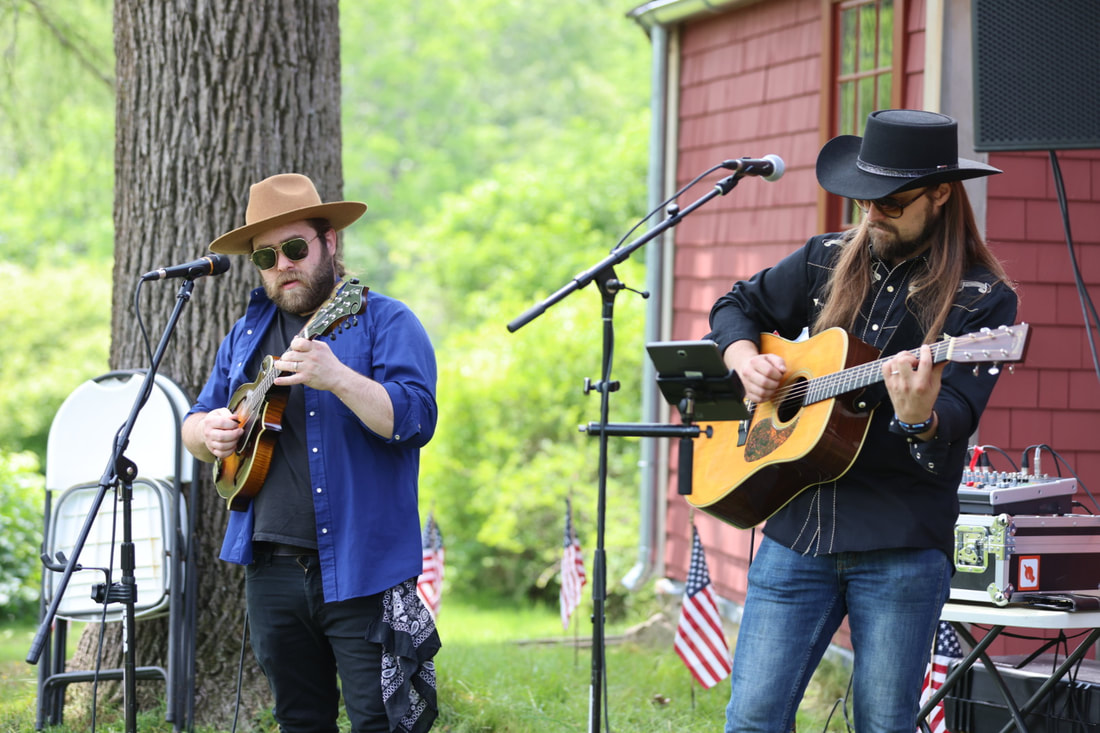
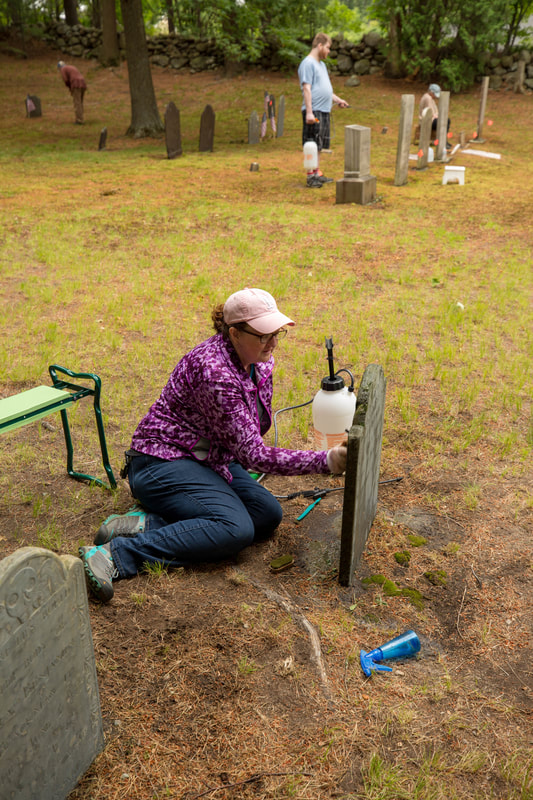
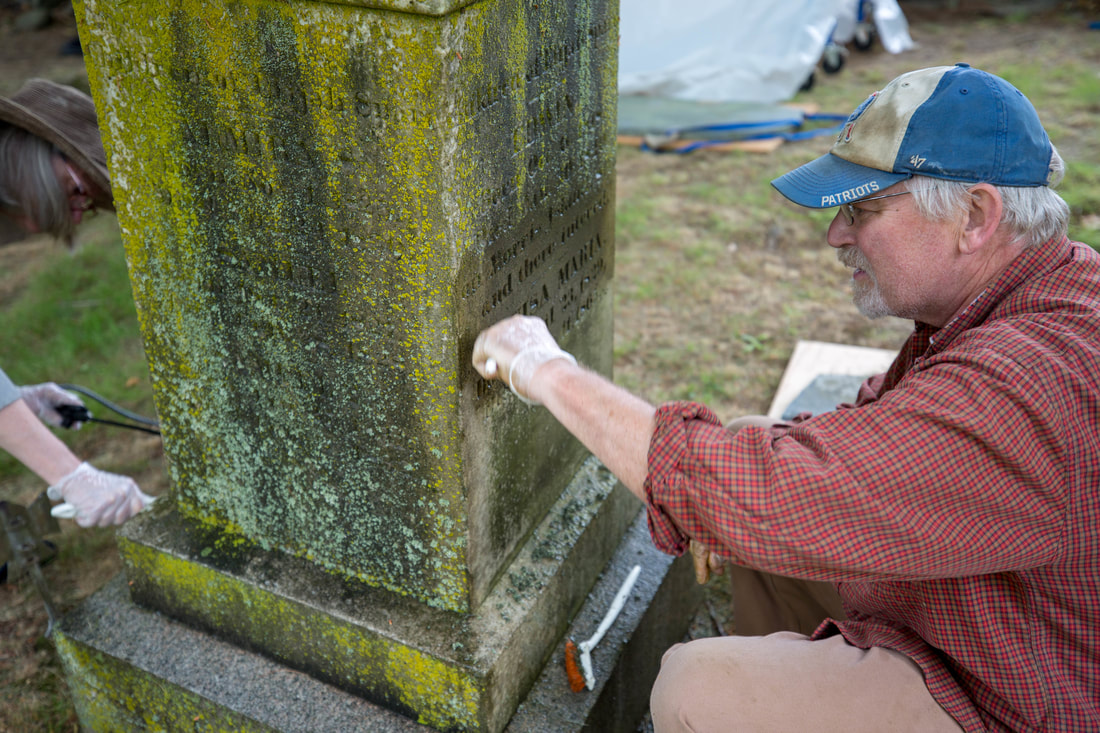
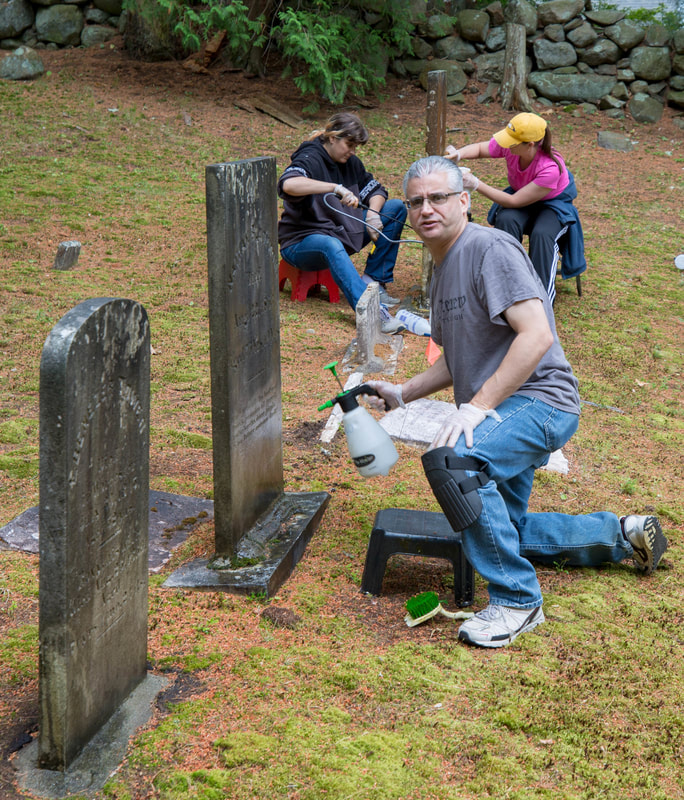
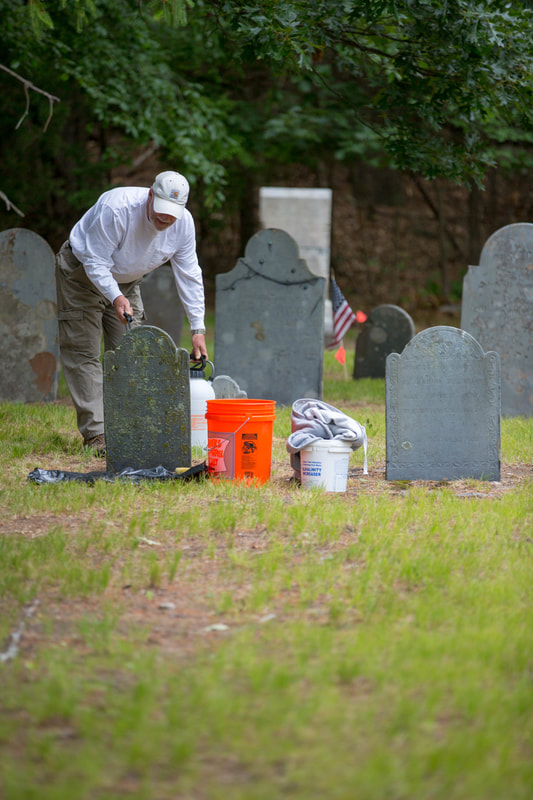
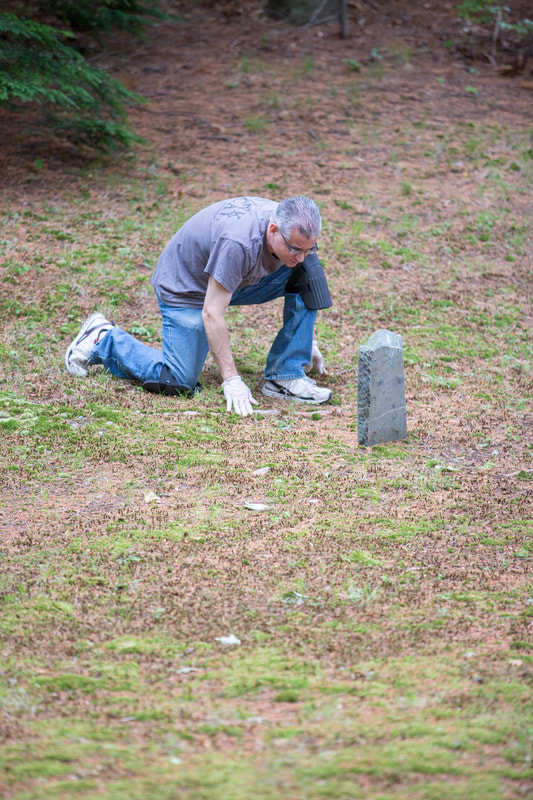
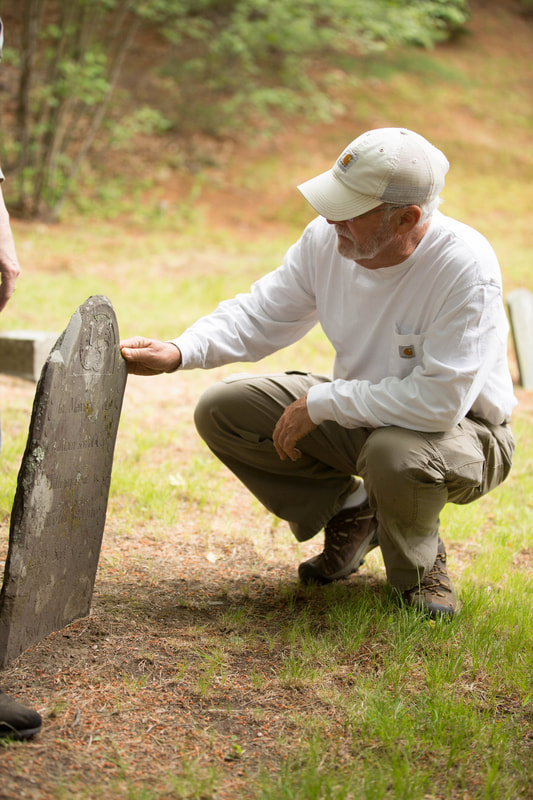
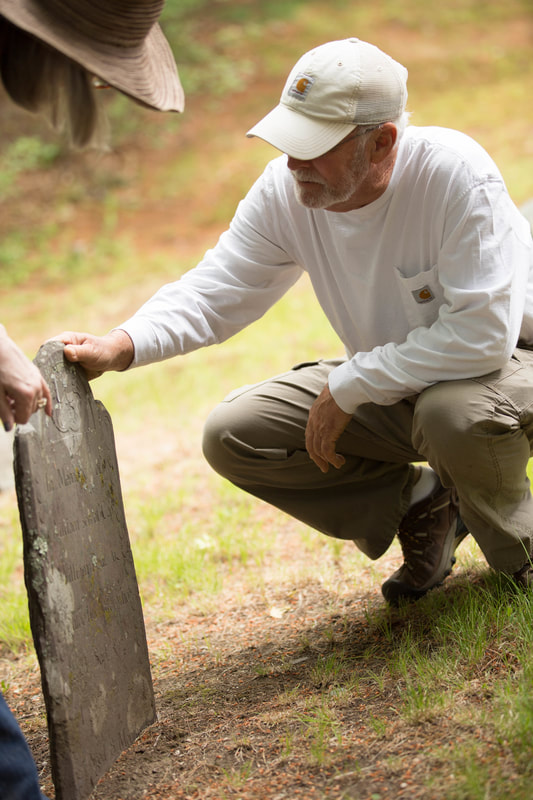
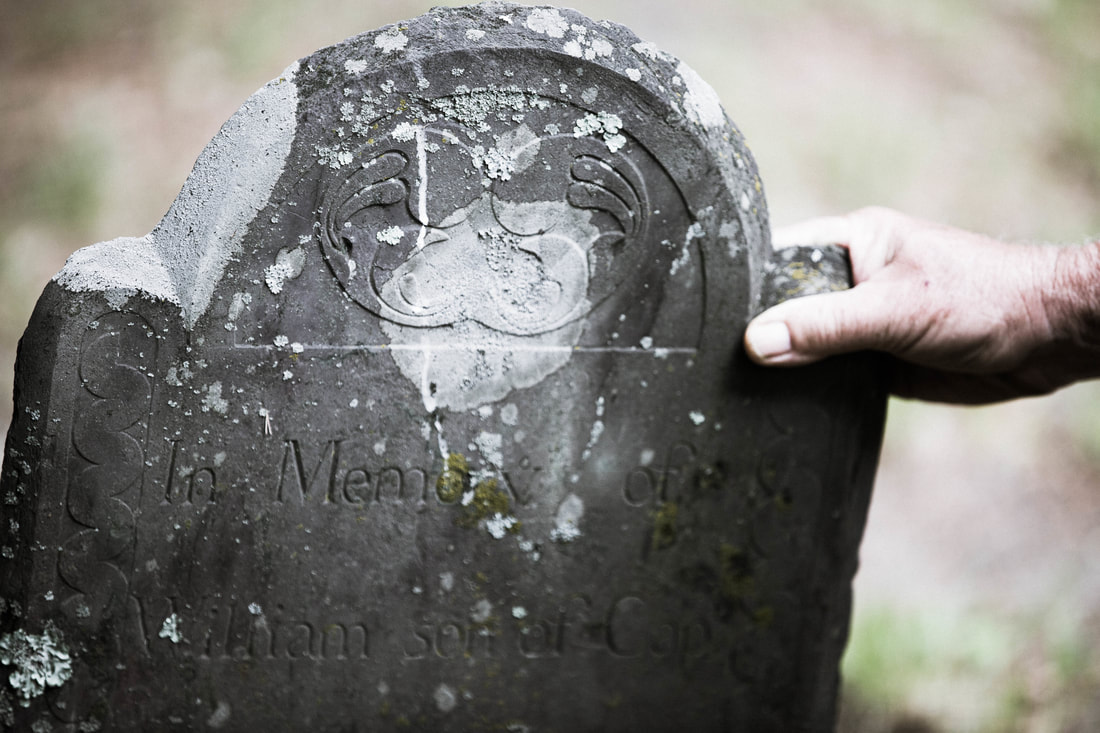
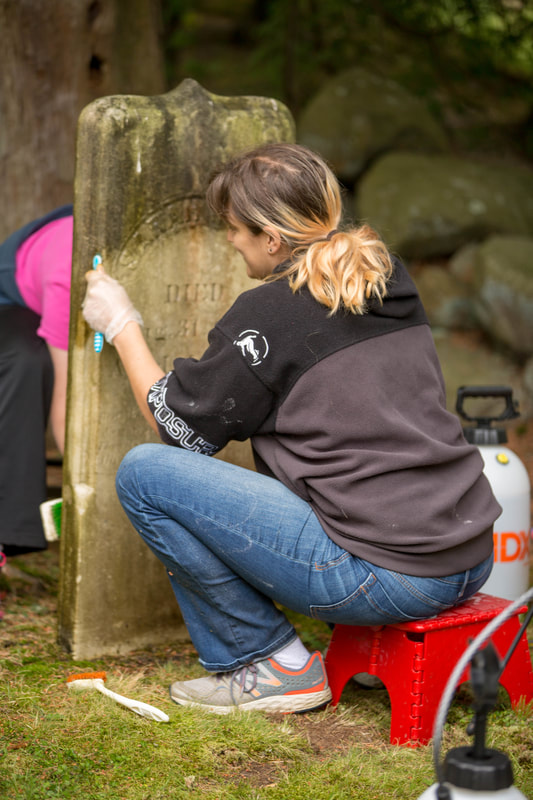
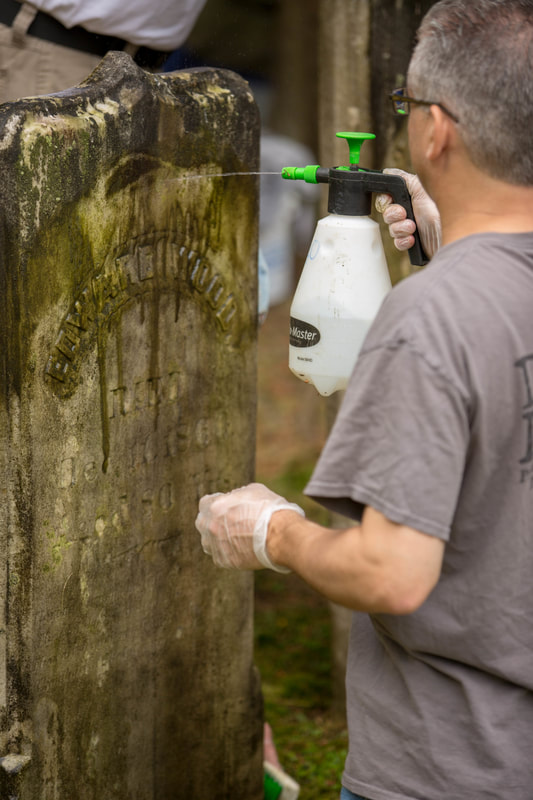
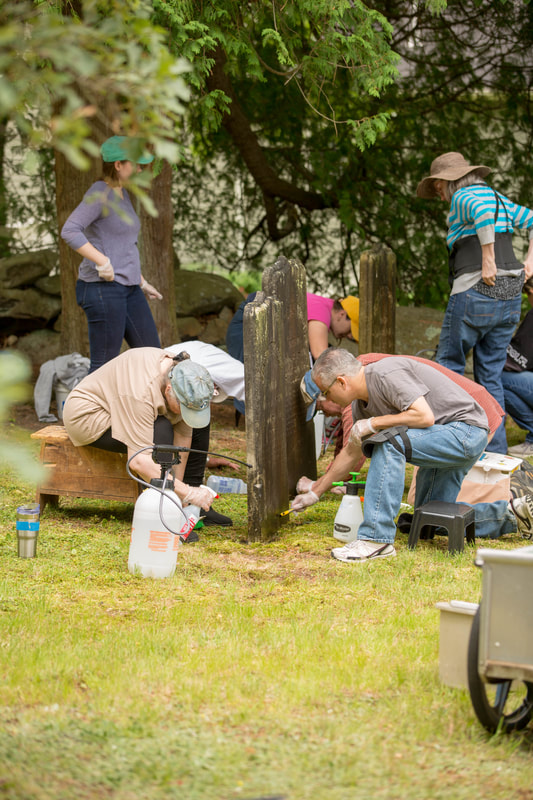
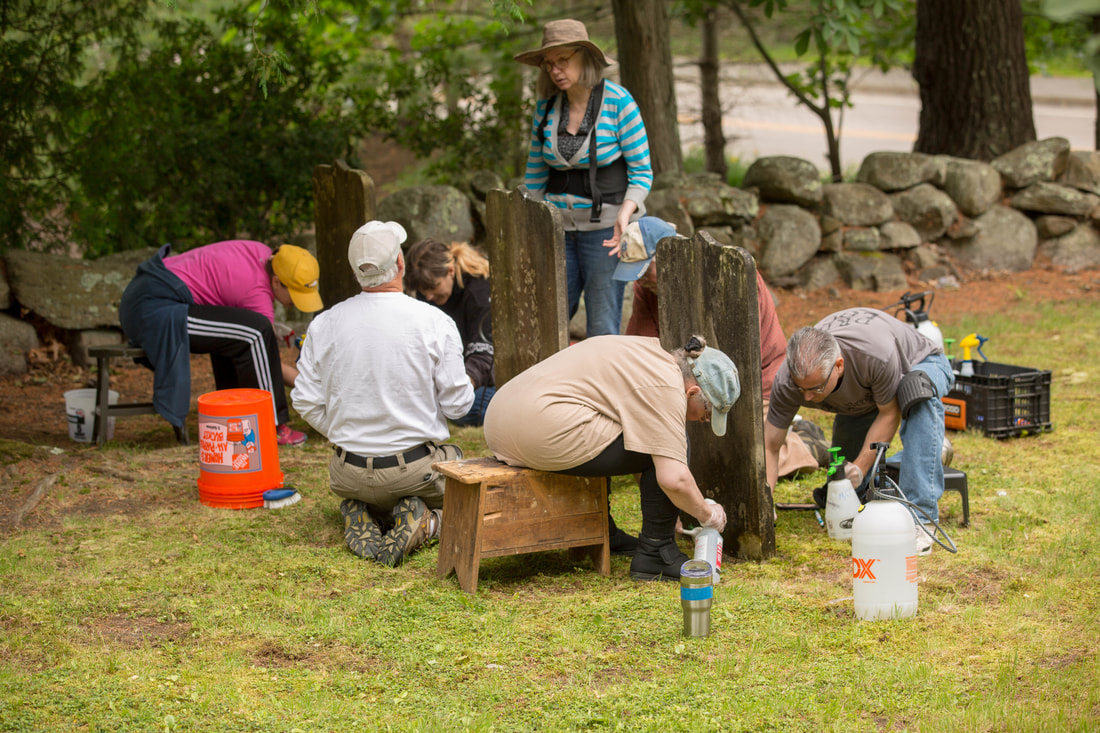
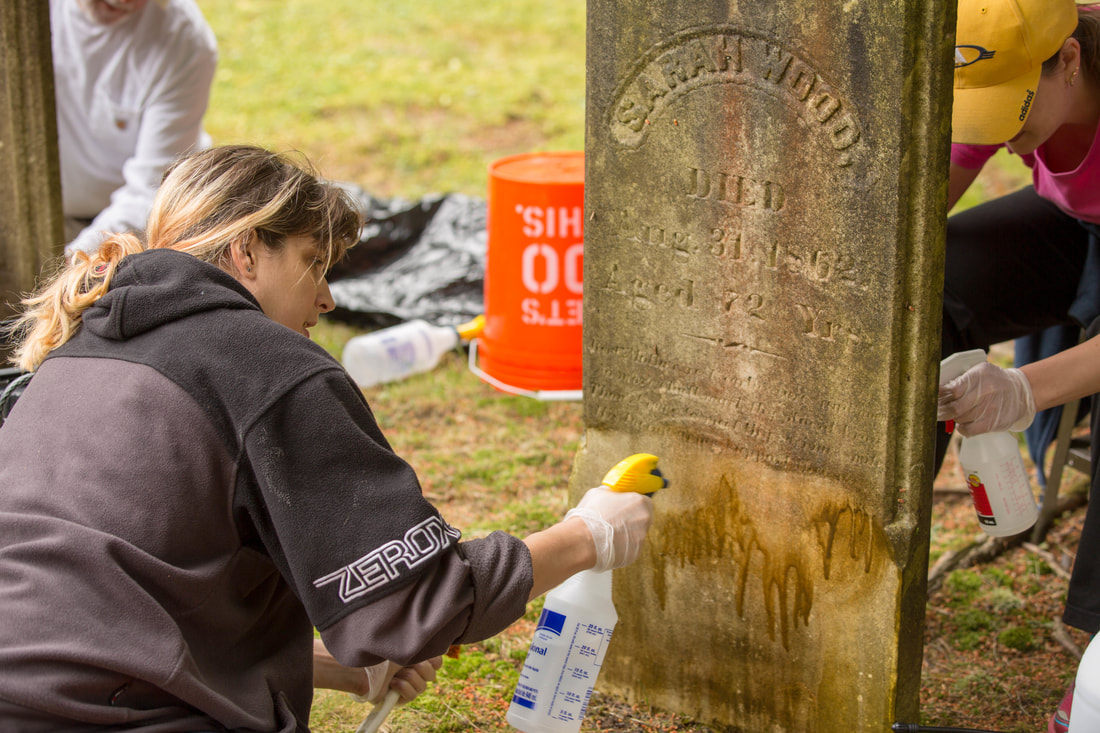
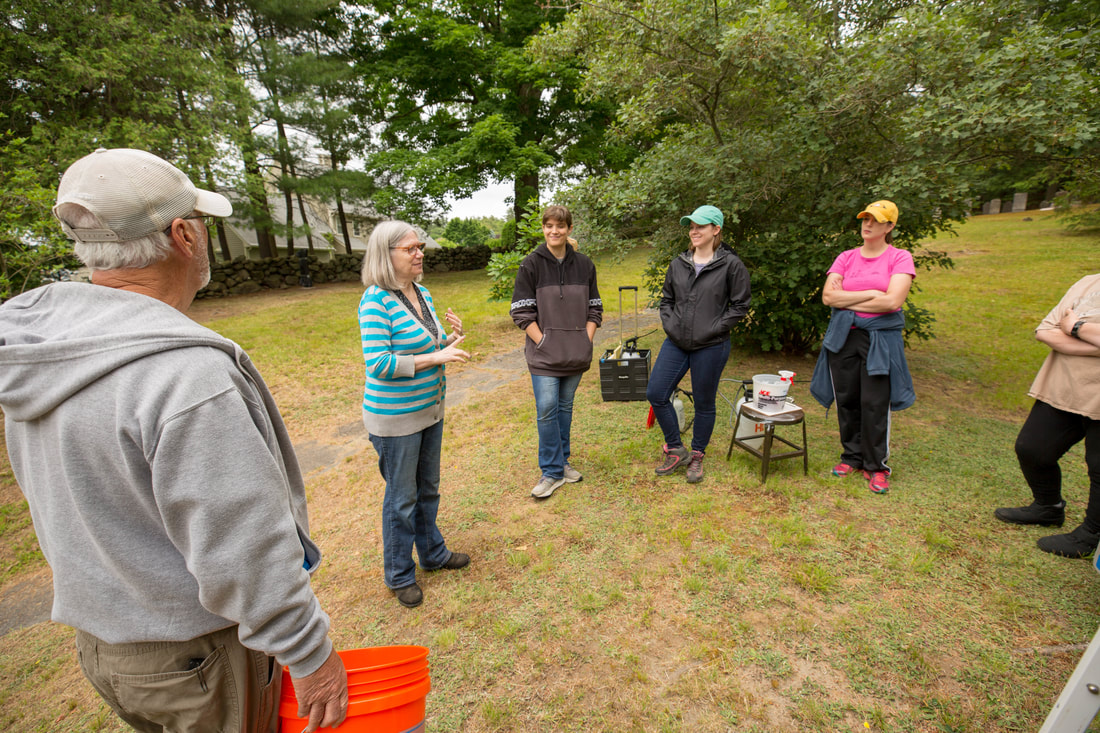
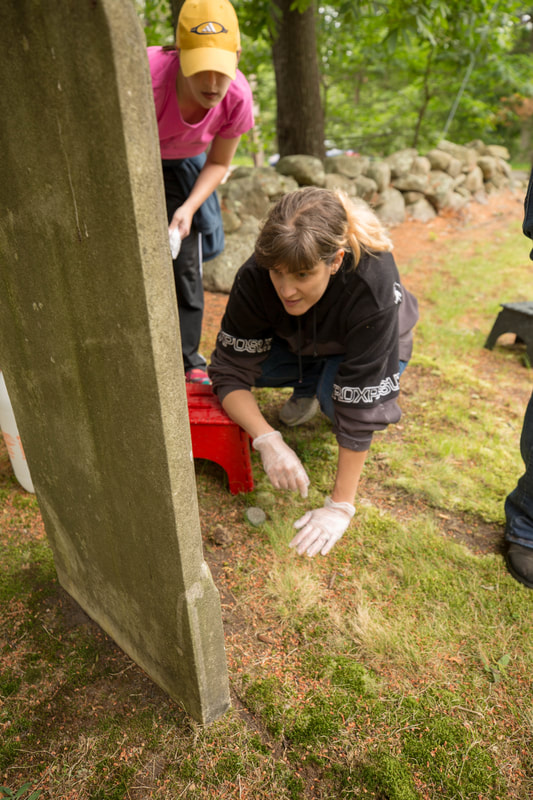
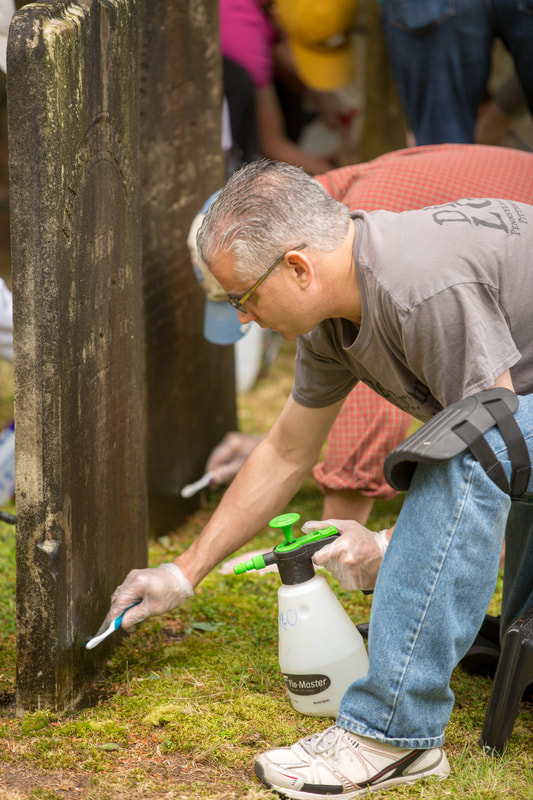
For the first time since 1871 the general public can access the digital collections of the Society. The “Histy” as it is affectionately known, has been collecting Canton's History since 1871, and was chartered by the Commonwealth of Massachusetts in 1893. The collection begins with artifacts from the late 1600's through today. Highlights of the collection include a strong understanding of industry, military conflicts and daily life in Canton, Massachusetts. As a non-profit museum, archives and educational institution dedicated to preserving Canton’s history and place, the Histy is the source for so many rich parts of our story. The jointly funded catalog features public access to over 7000 photographs, glass plate negatives, and slides. More than 900 detailed maps and plans as well as thousands of artifacts have been included. Most importantly there are over 8000 pages of printed records that includes family letters, diaries, public records and notes that date to as early as 1656 through today. “We are proud to launch Huntoon as a way to connect the town and the community of scholars to our rich collection” said George Comeau, president of the Society. “The material that we are sharing is rich and diverse and spans over three and half centuries of our place here in the shadow of Blue Hill. More importantly, the partnership with the library will allow both institutions to draw closer as we help share and interpret this material for residents and scholars alike.” Huntoon is named after one of Canton’s most pre-eminent historians, Daniel T.V. Huntoon who authored the first definitive history of the town. The public can access and browse the catalog on the web at CantonHistorical.org. Celebrating Our Dear Friend Paul Mitcheroney Paul Mitcheroney We gathered at the Annual Meeting of the Canton Historical Society on a beautiful autumn day, Slashes of sunlight cut through the windows of the Histy and people gathered as they have for more that 125 years. Today was different. Today the tone was somber as a lone Celtic violinist punctuated the room with Irish aires. George Comeau spoke, and a hush fell across the room. The Society paid homage and tribute to Paul "Mitch" Mitcheroney, our recently departed President. George spoke of the gifts Paul’s ancestors gave to our community (The Capen Family) some of which were – Guardian of the Ponkapoag Indians, started the Canton Lyceum – which became the Canton Public Library, Tavern Keepers, and members of the First Parish Church. As Postmaster, Nahum Capen introduced the outside letterbox collection system, the first such system in the US. Postal Service in 1857. From this true Canton family, we find Paul in line of descendants, and what Paul left behind as his legacy is a greater appreciation for history and heritage of Canton. Paul also left several gifts and one such item from his family history a chair, which was said to be from the Richard Gridley Estate as well as several family photo and albums. Paul was a friendly and kind man who was at the center of his family. Canton lost a dear friend with his passing after a long illness. The Society was named as a memorial gift in memory of Paul, and the membership approved the creation of the Paul Mitcheroney Scholarship Fund. In passing the gifts forward, the Society hopes to support young women and men that are graduating from Canton High School and plan of pursuing college degrees in the areas of public service, political science or history. In a wonderful and lasting gesture, members of Paul's family will serve on the selection committee that will choose the worthy scholar each year. The first scholarship is expected to be awarded in 2024. This annual meeting also conducted the business of reorganizing the Society. The Secretary presented a proposed ballot which nominated George T. Comeau, President, Mathew Tate, Vice President, Elena Mitcheroney, Treasurer, Carol Munson, Secretary, and James Roache, Curator. Also, Sepp Bergschneider, Peter Bright, Paul Buckley, Barbara Cash, Marie Duffy, Emily Prigot, Willard Thorn and Victoria Jenkinson were all nominated and voted as board members for the next year. 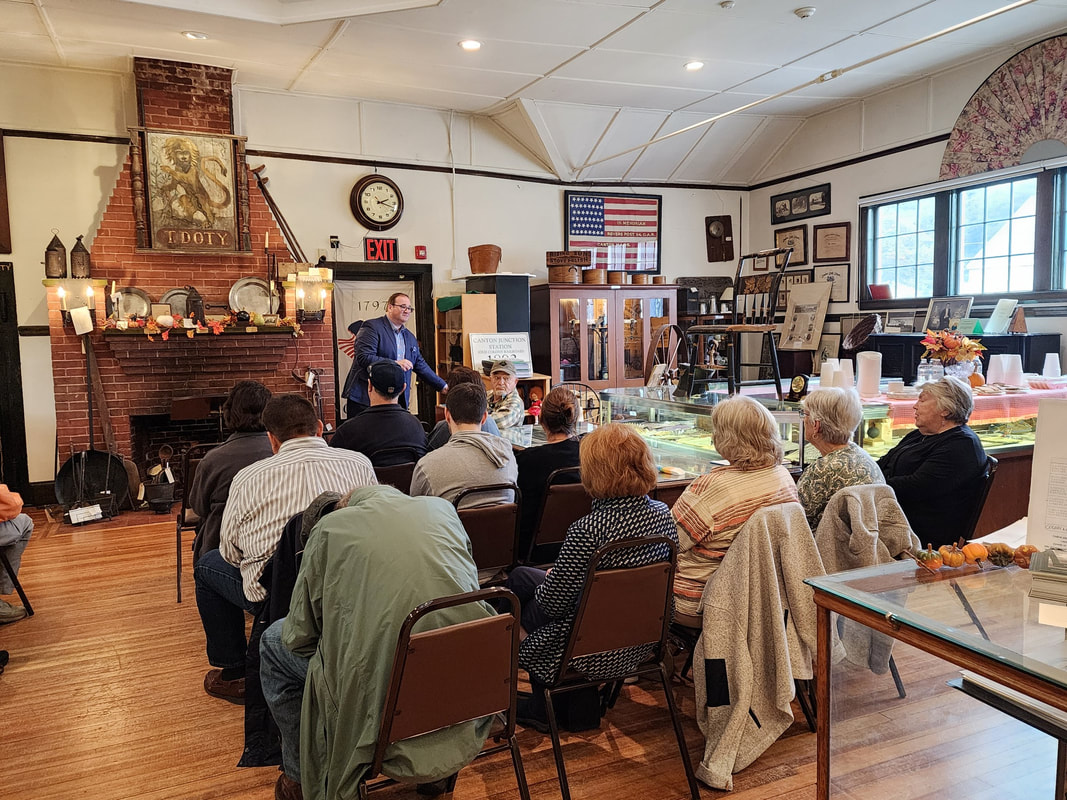 The 2023 Annual Meeting of the Canton Historical Society. Mother Nature smiled on the Canton Historical Society on Sunday, June 11, as the community gathered to celebrate the 125th anniversary of the organization. Produced by Carol Munson and a huge team of volunteers, the annual outing was steeped in tradition. The event featured a live acoustic duo, tours of the David Tilden House offered by George Comeau and Sepp Bergschneider, and classic lawn games. Select Board members Tom Theodore and Mike Loughran skillfully manned the grill for an old-fashioned cookout with hotdogs and hamburgers. Over seventy people joined us, and kids had a great tine with a scavenger hunt at Pequitside Farm. After more than 188 years, a bell cast by Joseph Warren Revere in 1834 has been returned as part of a donation to the Revere Heritage Trust. You can read the full story here. Receiving Tomb and Vaults Being PreservedThe Canton Corner Cemetery is a major contributing element in the Canton Corner Historic District and is listed on the National Register of Historic Places (2009). In May of 2015, Town Meeting approved Community Preservation Act funding for the development of design plans for restoring the large receiving tomb and adjacent vaults and for stabilizing grave sites on a nearby knoll in the Canton Corner Cemetery. Detailed design plans and cost estimates were provided by Structures North in the Fall of 2015, and the Canton Historical Commission sought additional CPA funding to undertake a portion of the work set forth in those plans. Now, three years in the design and planning stages has yielded the ongoing work. The approved funding of $160,000 is being used to restore and preserve the Receiving Tomb which dates back to 1882 as well as the three tomb vaults which date back even further to 1837. In their current condition, the tomb and vaults pose a significant public safety hazard. This historic preservation project will ensure that these landmarks within one of the oldest sections of the cemetery will persist to be studied and enjoyed by future generations. Several historic details are being restored as part of this project. The iron doors, small slit windows and the repointing of the entire granite structure. Also, historic Quincy Granite is being sourced to create new caps for the facade to ensure a watertight element over the east facing wall. This project is being managed by the Department of Public Works and the Canton Historical Commission.  Raffle tickets are now on sale for a handmade quilt that features 24 squares depicting Canton's most historic sites. Each of the hand stitched depictions were drawn by local artist, Elaine Lowry. The quilt was made by several women who each hand-stitched designs that showcase our beloved cultural sites. Tickets are now on sale for a $5.00 donation or three for $10.00. Tickets can be purchased at: Janet Pratt Real Estate - 1475 Washington Street Helen's Hair Salon - 14 Forge Pond Flowers by Ami - 1 Washington Street - Cobb Corner. Or, buy them online. Drawing held on September 9th at 2:00 pm at the Canton Historical Society. Volunteers Will Help Preserve History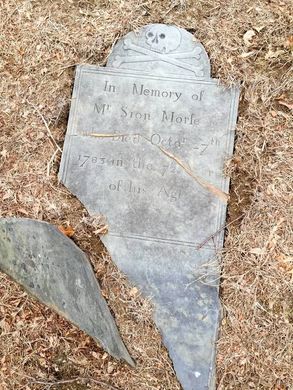 Several stones will be reset and repaired as part of the CPA Project. Several stones will be reset and repaired as part of the CPA Project. The Canton Historical Commission in partnership with the Society are embarking on a Community Preservation Project that protects and preserves the Old English Burying Ground and the Proprietor’s Lot; both burying grounds are located in one location. The "English Graveyard" portion: this is the portion closest to Washington Street is bisected by the asphalt walkway that leads to the "Proprietor's Lot" section. It is the younger portion of the cemetery and the original "English Graveyard" was established after 1754.
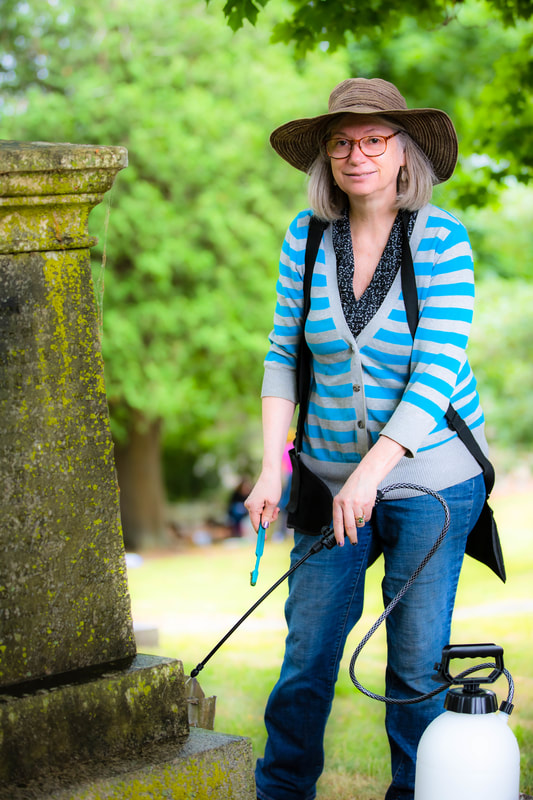
The "Proprietor's Lot" portion: this is the area of the oldest burials lies at the top of the hill. The land was used as early as 1700 and the deed was procured in 1741. After the Canton Corner Cemetery was established in 1716, only the descendants of the original proprietors continued to use this portion of the cemetery. The bulk of this project is intended to clean a total of forty-four (44) historic gravestones. These stones, over time, have advanced biological growth, which obscures and obliterates the carvings. There are ten stones that are in need of advanced repair, and experts will repair and reset these stones. In the case of the repairs, six stones require washing and resetting, and 10 will require advanced work and repair including the casting of new bases. Three remaining stones are highly fragmented and will require additional research in order to develop a preservation plan. Finally, two stones that were surveyed in 1995 are missing, and it is assumed that they may be located and reset during this work. |
The HistyAn occasional compendium of news and happenings at the Histy and historic preservation in Canton. Archives
April 2024
Categories
All
|















 RSS Feed